
Working as an environmental consultant can take you to some pretty unusual places. For example, when TBU-Austria was contracted to do a variety of waste analyses in Kyrgyzstan, I confess I didn’t know quite what to expect.
I knew there would be poverty, as this landlocked nation of five million people on the borders of China and Kazakhstan is one of the poorest of the former Soviet states, with an official unemployment rate of 18%. My experience is that you can double such numbers to arrive at the real levels. But I was unprepared for quite how breathtaking the mountain landscape would be, or quite how grim some aspects of its waste management.
Of course, while this was no holiday, I brought my camera. Looking back at some of the shots I took I thought it would be interesting to share some of what I encountered while I was conducting my research. I found what I saw quite distressing, symptomatic as it was of a country where two people in every five live below the poverty line. But it was also a reminder that, while there may be failings in how waste is managed in Western Europe, there is a lot we are getting right.
Our Kyrgyz client contracted us to examine several different aspects of Kyrgyzstan’s waste, including a “volume to weight” analysis of commercial waste. In the end we couldn’t carry it out, partly due to security concerns, but also due to a significant practical problem: the difficulty of getting to the waste before someone else does!
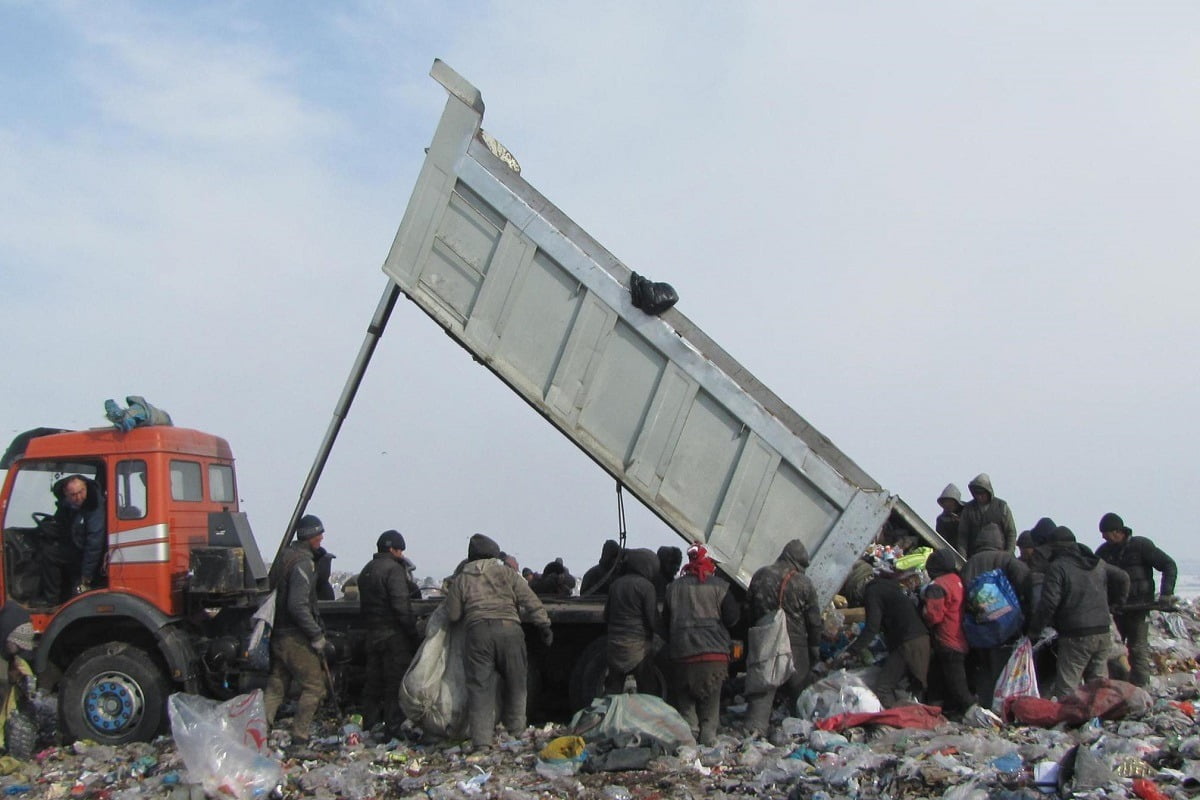
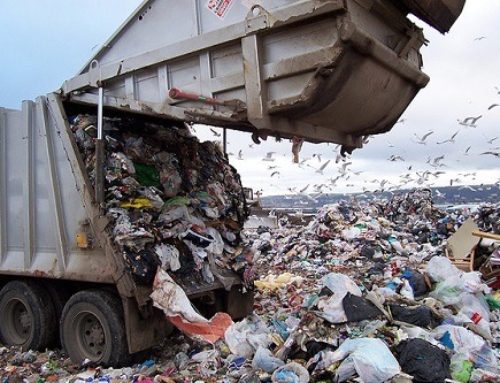
A waste delivery at Bishkek landfill site. Photo: Martin Steiner
Wherever people are very poor, they have a massive appreciation of the value of recyclable materials. While there may not be any sophisticated Materials Recovery Facilities to separate and sort material, there are any number of willing hands to do the same job incredibly cheaply. Of course, they aren’t recycling on order to go green, just to earn a little money, while enduring immensely difficult living conditions. But from the point of view of a westerner trying to analyse waste management, clearly they play an appreciable if hard to quantify role in reducing the amount of material that goes into landfill. Perhaps I should just have asked the pickers if it would be possible to weigh their bags after they had finished scavenging the load, and added the results into our analysis…
The landfill scavengers have found one approach to extracting value from waste, but I also saw how “landfill remining” is becoming a means of subsistence in Bishkek, the country’s capital.
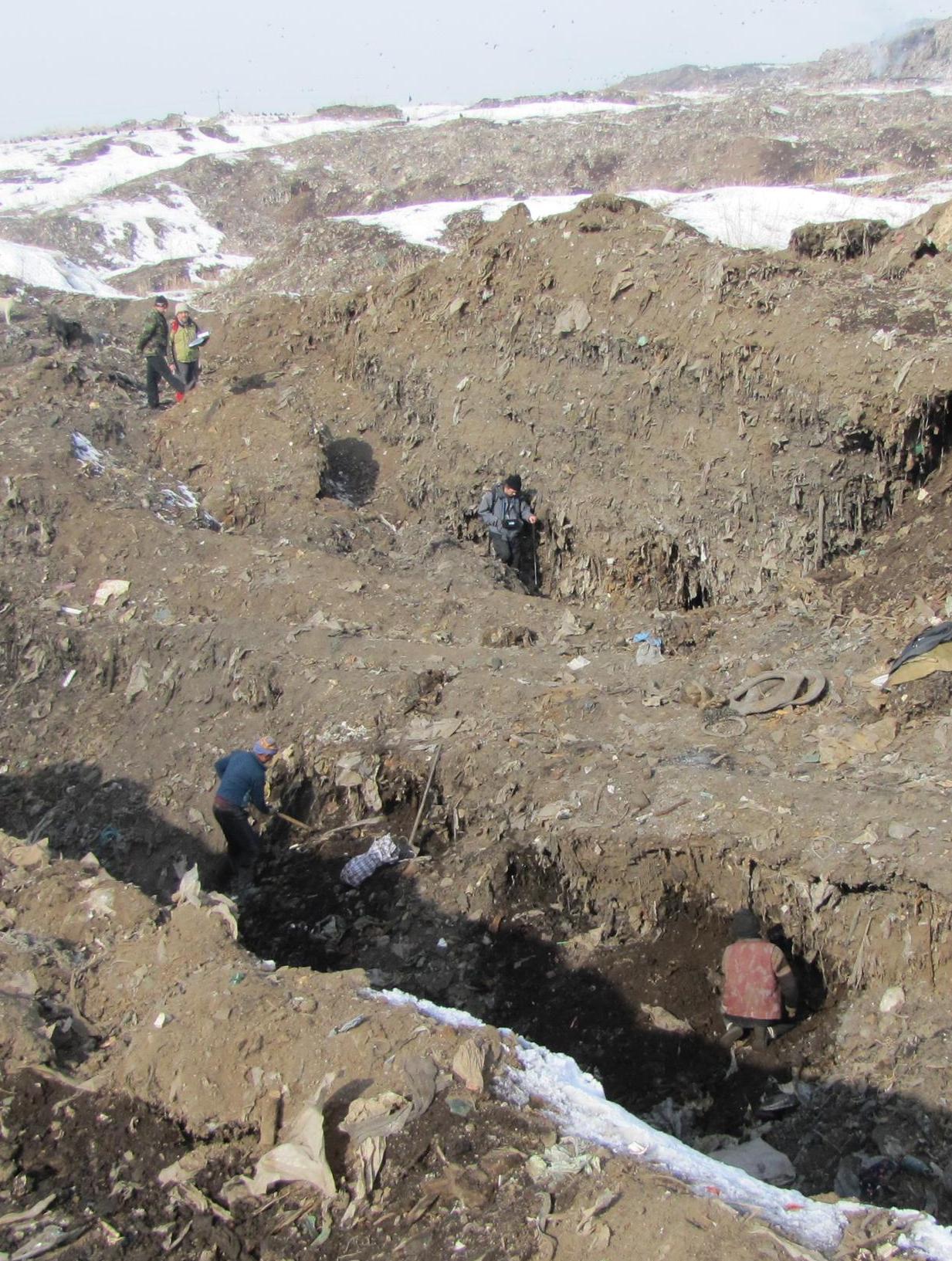
Landfill Remining. Photo: Martin Steiner
Old landfill areas from Soviet times are rich in scrap materials, from a time when trade was better and people felt wealthier. Now there is a living to be made from the deep trenches dug into these former dumping grounds, to hunt out whatever will fetch a decent price. This is clearly dangerous and dirty work – the trenches are unsupported and can easily collapse, while there is little in the way of protective equipment. It’s certainly not a job you would do if a lot of other opportunities existed.
In Central Europe, if you want to recycle the copper wire out of old PVC-wrapped cables you would need to invest in an expensive cable stripper. The Kyrgyz approach proved to be quicker and a lot less capital intensive.

Cable stripping, Kyrgyz style. Photo: Martin Steiner
It is more effective than a cable stripper at keeping the operator warm on a snowy day, but perhaps leaves something to be desired when it comes to environmental or health and safety standards.
A landfill site can also double as a farmyard. Pig farmers had settled adjacent to the landfill and herd their livestock on it, giving the animals the chance to root and scavenge for any edible waste.
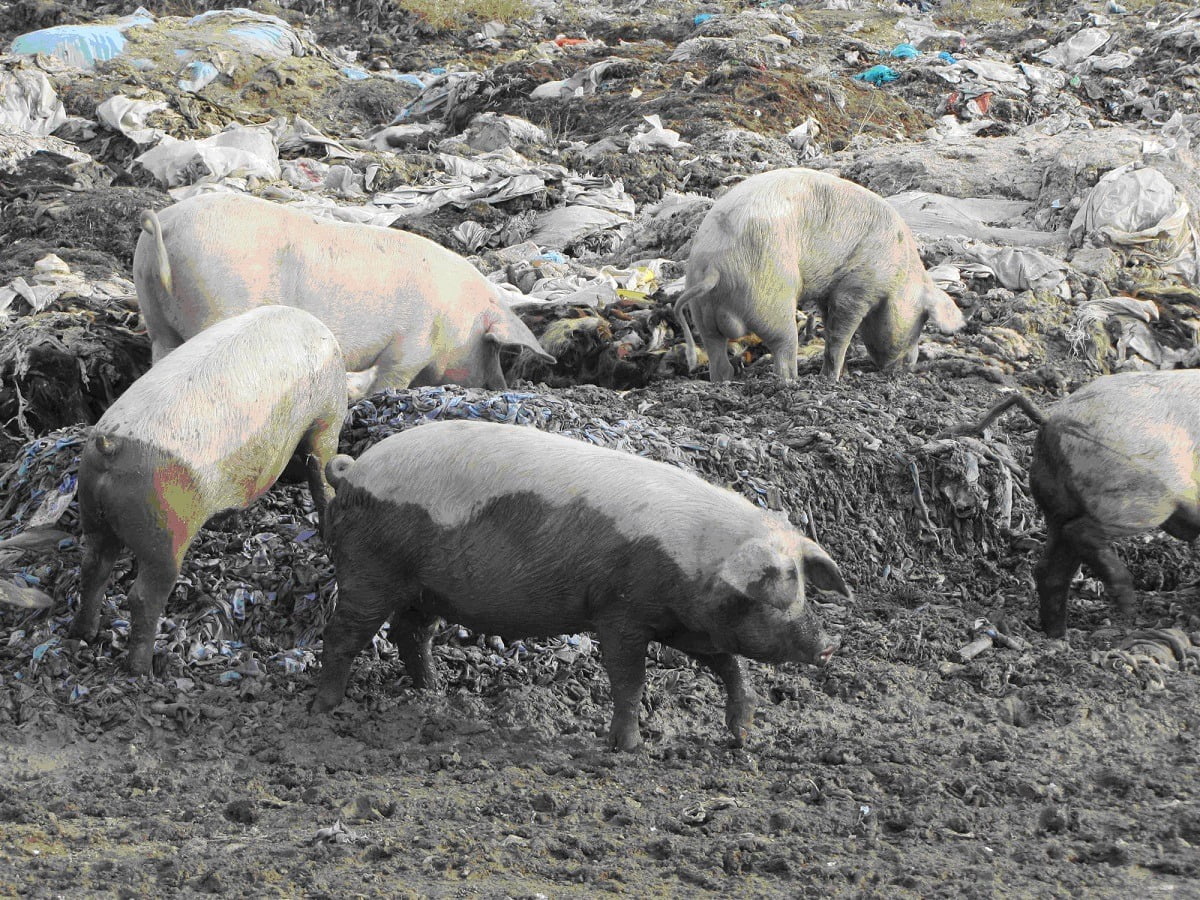
Pigs at work on the landfill site. Photo: Martin Steiner
Precisely 20 years ago, in the summer of 1992, I took practically the same photo on a landfill site in Zagreb where we did a similar job. I know that in the last couple of years things have changed in Croatia, and improvements in waste management mean that the pigs have had to move on. Development is possible, and patience sometimes pays off; small steps like these are the things that keep me going.
I’m not being entirely fair to Kyrgyzstan. There are clear safety guidelines in place about some things. For example, I visited a swimming pool in a spa in the mountains, an extraordinary relic of Soviet times, and reputed to have significant health benefits.
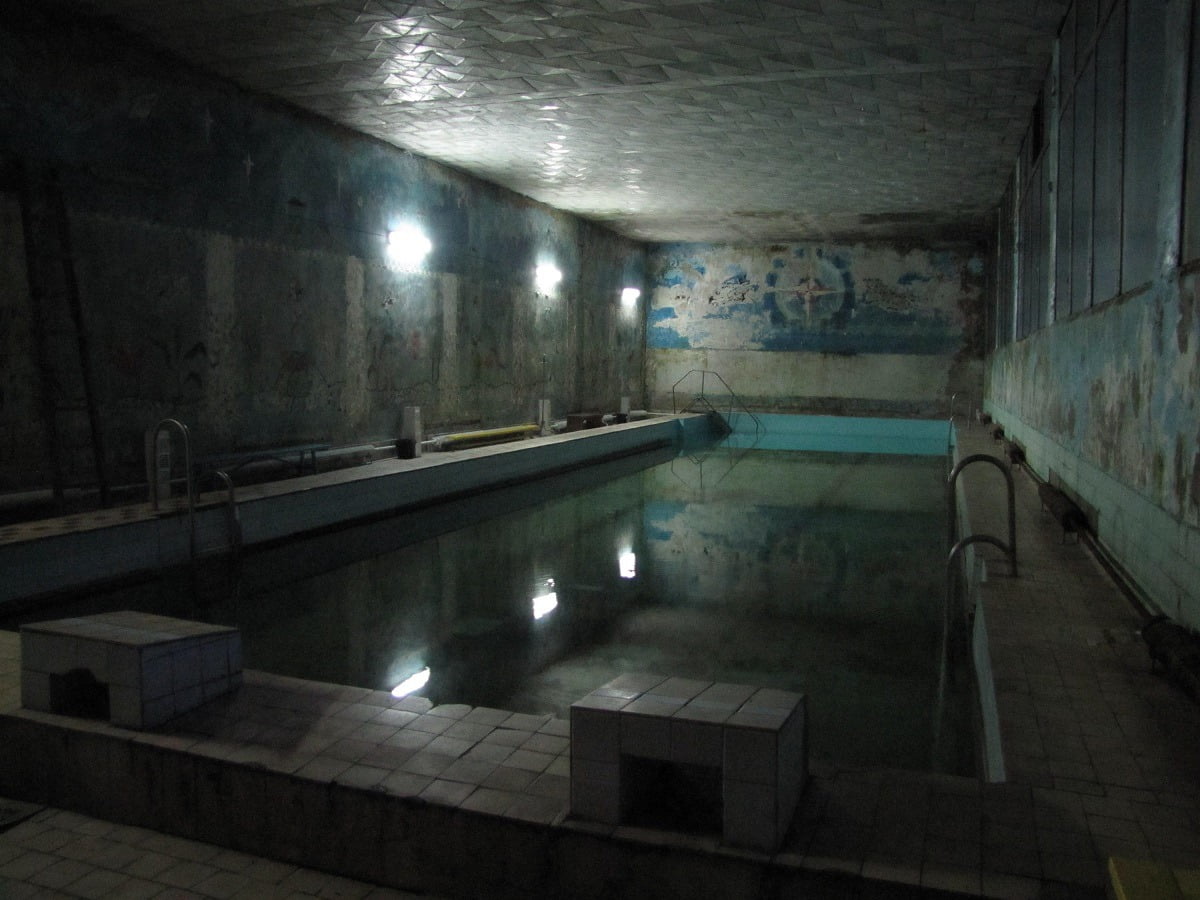
A long swim is not recommended. Photo: Martin Steiner
But visitors were warned that it was inadvisable to stay in the water for more than 10 minutes due to the level of radioactivity. I have heard of radiation being used in spa treatments before, but I never imagined the line between a beneficial and a dangerous dose might be so fine.
I have to admit, I was unprepared for quite how hard I would find working in Kyrgyzstan. Perhaps it was not sensible to sign up to spend quite so long in the country in one go. There were times during my stay when I was fed up and longed to be back in Austria; especially when, during the two-month process of transporting our expensive analysis equipment, much of it was stolen from the train while in transit. Customs rules, I might add, were in equal measures harsh and logical: you have to pay import duty on any stolen items that – for insurance reasons – you report to the local police: after all, the goods have been brought into the country, regardless of whether they have since been stolen.
However, with hindsight I am glad that my path led me into Kyrgyzstan and I hope that the findings we have reported back will help them to better manage their waste and help reduce the dangers to human health and the environment that I saw at first hand.


Nice article Martin. Funny how I too long for Austria even though I am in the UK!
Outstanding job.
Well done keep it up..
Great article
It is amazing to see how, where income levels are really low, the value of the raw materials in waste become magnified. The pictures you brought back are unsettling and sad – but in a strange way, if we were to come to place as much relative value on waste as the Kyrgyz people clearly do, we’d be a big step further towards achieving a circular economy.