

Demand for it is expected to rise by at least 50% by 2050. China, Morocco, the US, South Africa and Jordan control 85% of global reserves, which, according to some sources, are only expected to last another 50-100 years. The price in the EU rose by 800% in 2008 and the UK imports over 600,000 tonnes each year, at a cost of over £100m. But this isn’t a fossil fuel or a rare earth metal – it is phosphorus, an essential plant nutrient and an element for which there is no substitute. Therefore, as supplies of rock phosphate start dwindling there will be no possibility for shifting to alternatives – we will be forced to improve both the efficiency with which we extract/use the material and the rate at which we recover it from our waste streams.
The main demand for phosphorus fertilisers comes from the agricultural sector, where its mismanagement can lead to eutrophication – that is, nutrient enrichment – of water bodies. Excess nutrients in surface waters frequently lead to algal blooms and the die off of aquatic species as the algae absorbs free oxygen and prevents light from penetrating into the water. Historically, concerns over the pollution of groundwater and surface water bodies have been the main driver behind legislation and efforts to improve efficiencies in the management of phosphate. However, the focus will have to broaden to include not only the efficient use of phosphate fertilisers, but also the effective recovery and management of phosphate rich waste materials.
First milestones
Some steps are already being taken, at the national and the European levels, to help improve phosphorus use. The UK Food Security Assessment (2010) included a new indicator for phosphate rock reserves, but the main driver for improved efficiency looks set to be the EC Roadmap to a Resource Efficient Europe (published September 2011). This document sets the following milestone:
“By 2020, incentives to healthier and more sustainable food production and consumption will be widespread and will have driven a 20% reduction in the food chain’s resource inputs. Disposal of edible food waste should have been halved in the EU.”
To achieve this, the EC will produce a Green Paper on sustainable use of phosphorus by 2012. It will need to tackle waste at all stages:
- efficiency in agriculture
- cutting waste in the food sector
- recovery and recycling of phosphorus
We need to do more
If a sustainable position on phosphorus is going to be achieved, it will require proper enforcement of environmental standards to make sure that farmers understand their obligations – but they also need to be supported and educated. All too often, farmers lack the tailored, independent advice they need – which will show how improving efficiency, looking after the soil, saving money and protecting the environment can be fully consistent aims.
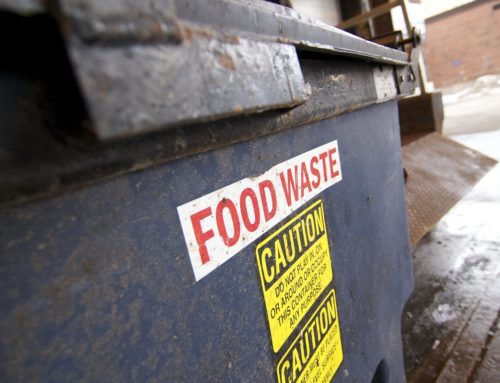
In addition, demand for phosphorus may be reduced by cutting the significant amounts of unnecessary food waste that currently the UK generates at all levels of the economy.
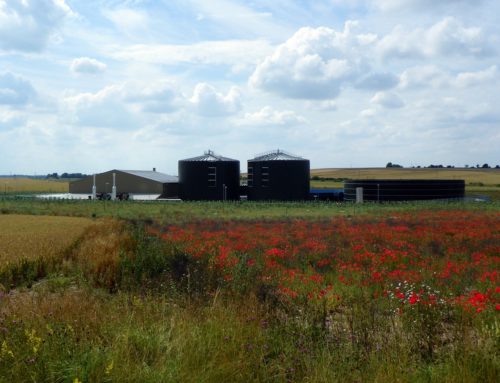
Not all waste is avoidable, so we will need to start focusing far more constructively on ensuring that we recover phosphorus and other nutrients from our organic waste streams. This will require investment and support for efficient collection and treatment infrastructure, as well as comprehensive schemes to ensure that processed materials are readily available and effectively marketed.
But two-thirds of the food waste produced by UK households is classed as ‘avoidable’. This is unacceptable in a world where many already face food insecurity – which will worsen when we face shortages of high quality, easily accessible rock phosphate reserves.


Thanks for a really interesting article, Thomas. There look to be any number of good reasons for us to be careful regarding how phosphorus is used – but I have read elsewhere that the moment of “peak phosphorus” is still quite some way away. This blog piece:
http://sulphurblog.blogspot.com/2011/07/so-much-for-peak-phosphorus.html
mentions work by Steven Von Kauwenbergh on mineral phosphorus reserves. A “phosphate geologist and principal scientist with the International Fertilizer Development Centre”, his view us that “conomically recoverable reserves – which he puts at 60 billion tonnes – should last us at least 375 years at current rates of usage”. I don’t know much about the IFDC, but it doesn’t look to be just a front for big agribusiness – so perhaps at least we need not fear starvation due to declining phosphorus reserves!